
Wiring That Supports Smart Home Systems
Advantage Electric installs and prepares electrical infrastructure for home automation and smart device integration in Everett, Washington and neighboring communities.
When you add smart home automation to your Everett area property, the electrical system needs to support not just the devices themselves but also the control systems, hubs, and network equipment that make automation possible. You may want smart lighting that adjusts based on time of day, motorized shades that respond to sunlight, or integrated controls that manage HVAC, security, and entertainment from a single interface. Each of these systems requires reliable power, proper wiring, and sometimes dedicated circuits to avoid interference or connectivity issues.
Advantage Electric installs and supports smart home electrical systems and automation wiring, whether you are building new, remodeling, or retrofitting an existing home. The work ensures reliable power and connectivity for automation equipment, and includes planning circuits and outlet locations that keep devices accessible without cluttering walls with adapters or power strips. Both new installations and retrofit projects are supported, and the wiring is installed to allow for future expansion as you add more devices or upgrade systems over time.
If you are considering home automation in Everett or a surrounding area and want to ensure your electrical system is ready, contact Advantage Electric to discuss your plans and coordinate the necessary wiring and panel upgrades.
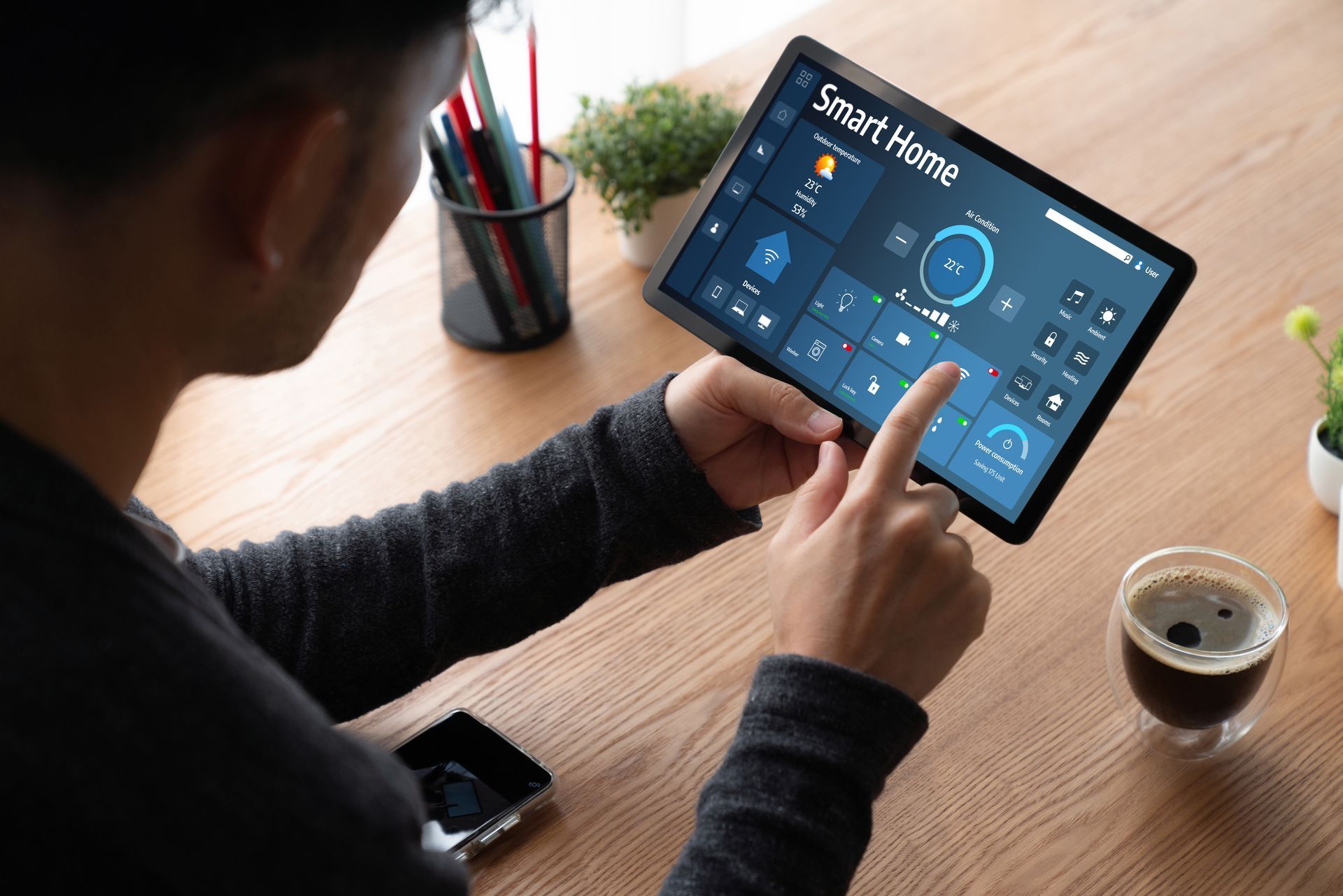
How automation wiring is installed and tested
The installation begins with evaluating your electrical panel to ensure it has capacity for additional smart devices and control systems. Advantage Electric then installs dedicated circuits for hubs, control panels, and high-draw devices such as motorized window treatments or smart HVAC systems. In Everett homes, this often includes adding outlets in locations where control equipment will be mounted, such as utility closets, media centers, or home offices.
Once the wiring is complete, your smart home devices operate without power interruptions, and control systems communicate reliably with connected equipment. Lights respond instantly to voice commands or scheduled routines, and automated systems do not drop offline due to voltage fluctuations or circuit overloads. You will notice that devices stay connected throughout the day and that adding new equipment does not require rewiring or moving outlets.
Advantage Electric also ensures that low-voltage wiring for sensors, thermostats, and control panels is routed separately from high-voltage circuits to prevent interference. If your automation system includes lighting controls, the wiring supports dimming and switching without flickering or communication errors. The system is tested before final installation to confirm that all devices receive consistent power and that the electrical infrastructure supports both current and future automation needs.
What homeowners want to know before moving forward
Homeowners interested in smart home systems often have questions about what electrical changes are needed and how the wiring integrates with automation equipment.
Advantage Electric works with homeowners throughout Everett to install electrical systems that support smart home automation, whether you are adding a few devices or planning a fully integrated system.
If you are ready to prepare your home for automation or need to discuss wiring for specific devices, reach out to review your project and schedule an evaluation.